Buy sex.de.com ?
We are moving the project
sex.de.com .
Are you interested in purchasing the domain
sex.de.com ?
domain@kv-gmbh.de · 0541-91531010
Buy sex.de.com ?
Why do ethers have only weak dipole-dipole interactions?
Ethers have only weak dipole-dipole interactions because the oxygen atom in the ether molecule is less electronegative than the oxygen atom in alcohols or the nitrogen atom in amines. This results in a smaller difference in electronegativity between the oxygen and the carbon atoms in the ether molecule, leading to weaker dipole moments. As a result, the overall dipole-dipole interactions in ethers are weaker compared to molecules with larger electronegativity differences, such as alcohols and amines. **
How do dipole-dipole forces affect the boiling temperature?
Dipole-dipole forces are attractive forces between the positive end of one polar molecule and the negative end of another polar molecule. These forces cause the molecules to be attracted to each other and stick together, making it more difficult for them to break apart and become a gas. As a result, substances with stronger dipole-dipole forces will have higher boiling temperatures because more energy is required to overcome these attractive forces and turn the substance into a gas. Therefore, the presence of dipole-dipole forces can increase the boiling temperature of a substance. **

Similar search terms for Dipole
Top-Angebote
Products related to Dipole:
-
Dunhill Desire Red Eau de Toilette for Men 100 mlHealth and Beauty Colonies Dunhill Desire Red Eau de Toilette for Men 100 ml It is a very distinctive woody fruity scent for men. Extremely rewarding to wear , a stunning cologne that is one of a kind. For self- assured men who don't mind being noticed for the wonderful way they smell. -Top notes: bergamot, green lemon, neroli and crisp apple. -Heart notes: rich teak wood, rose petals and patchouli. -Base notes: creamy vanilla, musk and labdanum.27,82 £*Shipping: 3,99 £Secure redirect to the provider
-
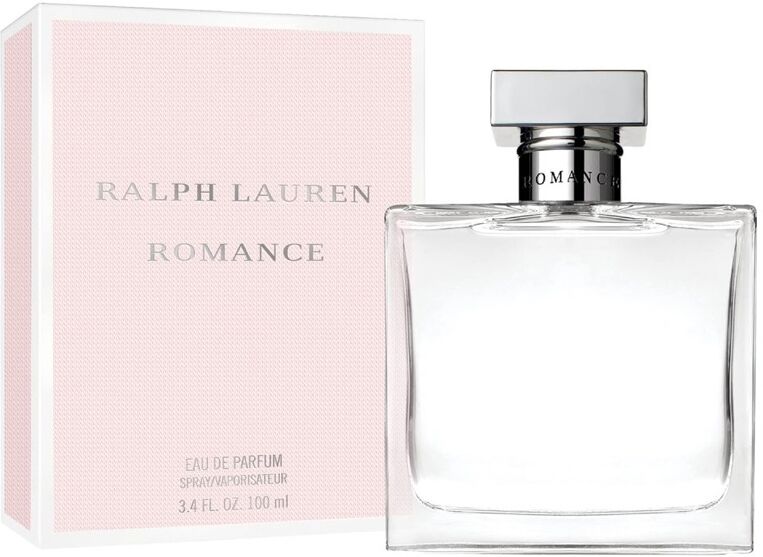
Ralph Lauren Romance Eau De Parfume 100mlDiscover the enduring allure of this classic fragrance for women, a scent defined by its timeless femininity and comforting sensuality, making it a perfect addition to any collection. The initial impression captivates with the powdery warmth of Violet Leaves and a touch of Pink Pepper in the top notes. At the heart of this beautiful fragrance lies a romantic floral bouquet, showcasing the exquisite blend of Rose Damascena, sophisticated Jasmine absolute, and bright Marigold essence. Finally, the enveloping and long-lasting base notes deliver a seductive finish, featuring Velvety soft woods, earthy Oak Moss, and sensual Musks, creating an unforgettable and classic perfume experience. Ingredients: For up to date product ingredients please see product packaging.102,01 £*Shipping: 0,00 £Secure redirect to the provider
-
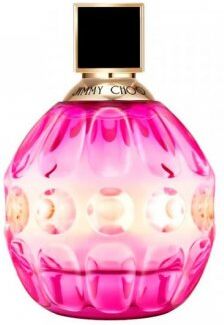
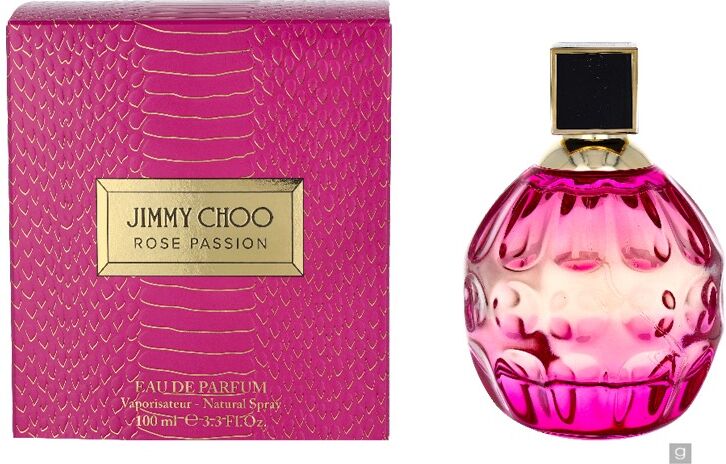
Jimmy Choo Rose Passion Eau de Parfum 100 mlHealth and Beauty Perfumes Jimmy Choo Rose Passion Eau de Parfum 100 ml Inspired by the charm of the French Riviera, Rose Passion is a beautifully rich fragrance that captures the essence of glamour. Opening with the freshness of coconut water and the exotic blossom of the frangipani flower, you will discover notes of orchid and jasmine complemented by sandalwood and exotic vanilla. Captured in a fuchsia pink bottle with a gradient finish and our iconic JC emblem. Top notes: coconut water, frangipani flower Middle notes: orchid, jasmine flower. Base notes: sandalwood, vanilla57,79 £*Shipping: 3,99 £Secure redirect to the provider


-
Why are hydrogen bonds stronger than dipole-dipole interactions?
Hydrogen bonds are stronger than dipole-dipole interactions because they involve a specific interaction between a hydrogen atom and a highly electronegative atom such as oxygen, nitrogen, or fluorine. This creates a strong partial positive charge on the hydrogen atom and a strong partial negative charge on the electronegative atom, leading to a strong attraction between the two. In contrast, dipole-dipole interactions occur between the partial positive and negative charges of polar molecules, which are generally weaker than the specific interaction between a hydrogen atom and a highly electronegative atom in a hydrogen bond. **
-
Is the ammonia molecule a dipole or not a dipole?
The ammonia molecule is a dipole. This is because the molecule has a trigonal pyramidal shape with a lone pair of electrons on the nitrogen atom. The electronegativity difference between nitrogen and hydrogen causes the molecule to have a net dipole moment, with the nitrogen end being partially negative and the hydrogen end being partially positive. This makes ammonia a polar molecule. **
-
Why is CO2 not a dipole and H2O a dipole?
CO2 is not a dipole because it has a linear molecular geometry, meaning the two oxygen atoms are symmetrically arranged around the central carbon atom, resulting in a net dipole moment of zero. On the other hand, H2O is a dipole because it has a bent molecular geometry, causing the oxygen atom to pull the shared electrons closer to itself, resulting in a net dipole moment. This uneven distribution of charge creates a positive end (the hydrogen atoms) and a negative end (the oxygen atom), making H2O a polar molecule. **
-
What is the difference between hydrogen bonding and dipole-dipole interactions?
Hydrogen bonding is a specific type of dipole-dipole interaction that occurs between a hydrogen atom bonded to a highly electronegative atom (such as oxygen, nitrogen, or fluorine) and another electronegative atom in a different molecule. This type of interaction is stronger than regular dipole-dipole interactions because of the large electronegativity difference between the hydrogen and the other atom, resulting in a stronger attraction between the molecules. In contrast, dipole-dipole interactions occur between the positive end of one polar molecule and the negative end of another polar molecule, but do not involve a hydrogen atom bonded to a highly electronegative atom. **
What is the difference between a dipole and a non-dipole?
A dipole is a molecule that has a separation of positive and negative charges, resulting in a net dipole moment. This means that the molecule has a non-uniform distribution of electron density, leading to a partial positive and partial negative charge. On the other hand, a non-dipole molecule has a symmetrical distribution of electron density, resulting in no net dipole moment. This means that the molecule does not have a separation of positive and negative charges, and therefore does not exhibit dipole-dipole interactions. **
When do Van der Waals forces and dipole-dipole interactions occur?
Van der Waals forces occur between all atoms and molecules, regardless of their polarity, due to temporary fluctuations in electron distribution. Dipole-dipole interactions, on the other hand, occur between polar molecules that have a permanent separation of positive and negative charges. Both types of interactions are important in determining the physical properties of substances, such as their boiling and melting points, and play a significant role in the behavior of gases, liquids, and solids. **
Top-Angebote
Products related to Dipole:
-
Hodder & Stoughton Mating in Captivity by Esther Perel - Paperback Relationship Psychology Book - Desire, Intimacy & Long-Term LoveMating in Captivity is Esther Perel's exploration of desire within long-term relationships. Drawing on decades as a couples therapist, Perel asks why security and passion often pull against each other, and what couples can do to keep eroticism alive once domestic routine sets in. This thought-provoking read blends clinical case studies with accessible prose, making it a staple recommendation for therapists and relationship counsellors. The book examines modern relationships, which promise lifelong companionship, deep intimacy, and lasting erotic connection, but often work against these goals. Esther Perel draws on over three decades of clinical practice to explore the complexities of desire and relationships. Published by Hodder & Stoughton, this paperback is a must-read for anyone in a committed relationship.3,99 £*Shipping: 2,99 £Secure redirect to the provider
-
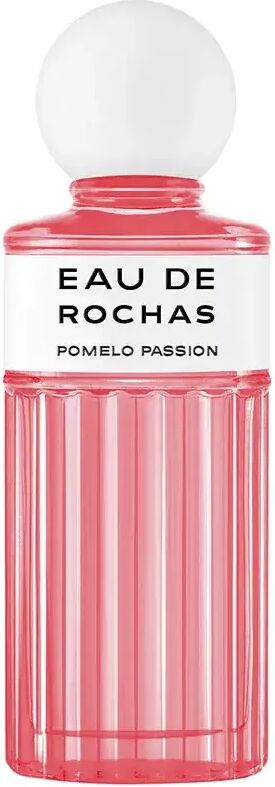
Rochas Eau de Grapefruit Passion Eau de Toilette 100 mlHealth and Beauty Colonies Rochas Eau de Grapefruit Passion Eau de Toilette 100 ml What is Eau de Rochas Grapefruit Passion EDT Vapo 100 ml? Eau de Rochas Pomelo Passion EDT Spray 100ml is one of the fruity variations with which Rochas has expanded the Eau de Rochas family. It is a citrusy floral musky eau de toilette with a Mediterranean feel: grapefruit, orange, and passion fruit top notes, a heart of peony, rose, and geranium, and a base of pink musks and amber. The house describes it as a sparkling and luminous trail. Benefits What sets it apart from the original Eau de Rochas is the fruit: the grapefruit provides a meatier bitterness than the lemon, and the passion fruit adds a juicy and acidic side that makes the opening sweet without being overly sweet. The floral heart softens the acidity: peony and rose round out the edges, while geranium maintains a touch of green that prevents it from becoming cloying. Pink musks and amber leave a warm, skin-like base, softer than the classic chypre of the line. Contains alcohol. It is advisable to check the full ingredient list on the packaging before use if you have sensitive skin or known allergies. Who is it for? This fragrance is designed for women, the target audience for Rochas. Suitable for everyday wear, it performs best in spring and summer and appeals to those who prefer citrus and fruity scents to intense florals. How to apply Eau de Rochas Grapefruit Passion EDT Vapo 100 ml? Spray onto your neck, décolletage, and wrists on dry skin. Give it a couple of minutes before judging: the grapefruit is dominant at first, and the floral heart takes a while to emerge. Product use As a citrus eau de toilette, it can be applied a second time in the mid-afternoon for a refreshing start. Store the bottle in its case, away from light and heat.55,94 £*Shipping: 3,99 £Secure redirect to the provider
-
Dunhill Desire Red Eau de Toilette for Men 100 mlHealth and Beauty Colonies Dunhill Desire Red Eau de Toilette for Men 100 ml It is a very distinctive woody fruity scent for men. Extremely rewarding to wear , a stunning cologne that is one of a kind. For self- assured men who don't mind being noticed for the wonderful way they smell. -Top notes: bergamot, green lemon, neroli and crisp apple. -Heart notes: rich teak wood, rose petals and patchouli. -Base notes: creamy vanilla, musk and labdanum.27,82 £*Shipping: 3,99 £Secure redirect to the provider
-
Why do ethers have only weak dipole-dipole interactions?
Ethers have only weak dipole-dipole interactions because the oxygen atom in the ether molecule is less electronegative than the oxygen atom in alcohols or the nitrogen atom in amines. This results in a smaller difference in electronegativity between the oxygen and the carbon atoms in the ether molecule, leading to weaker dipole moments. As a result, the overall dipole-dipole interactions in ethers are weaker compared to molecules with larger electronegativity differences, such as alcohols and amines. **
-
How do dipole-dipole forces affect the boiling temperature?
Dipole-dipole forces are attractive forces between the positive end of one polar molecule and the negative end of another polar molecule. These forces cause the molecules to be attracted to each other and stick together, making it more difficult for them to break apart and become a gas. As a result, substances with stronger dipole-dipole forces will have higher boiling temperatures because more energy is required to overcome these attractive forces and turn the substance into a gas. Therefore, the presence of dipole-dipole forces can increase the boiling temperature of a substance. **
-
Why are hydrogen bonds stronger than dipole-dipole interactions?
Hydrogen bonds are stronger than dipole-dipole interactions because they involve a specific interaction between a hydrogen atom and a highly electronegative atom such as oxygen, nitrogen, or fluorine. This creates a strong partial positive charge on the hydrogen atom and a strong partial negative charge on the electronegative atom, leading to a strong attraction between the two. In contrast, dipole-dipole interactions occur between the partial positive and negative charges of polar molecules, which are generally weaker than the specific interaction between a hydrogen atom and a highly electronegative atom in a hydrogen bond. **
-
Is the ammonia molecule a dipole or not a dipole?
The ammonia molecule is a dipole. This is because the molecule has a trigonal pyramidal shape with a lone pair of electrons on the nitrogen atom. The electronegativity difference between nitrogen and hydrogen causes the molecule to have a net dipole moment, with the nitrogen end being partially negative and the hydrogen end being partially positive. This makes ammonia a polar molecule. **
Similar search terms for Dipole
-
Ralph Lauren Romance Eau De Parfume 100mlDiscover the enduring allure of this classic fragrance for women, a scent defined by its timeless femininity and comforting sensuality, making it a perfect addition to any collection. The initial impression captivates with the powdery warmth of Violet Leaves and a touch of Pink Pepper in the top notes. At the heart of this beautiful fragrance lies a romantic floral bouquet, showcasing the exquisite blend of Rose Damascena, sophisticated Jasmine absolute, and bright Marigold essence. Finally, the enveloping and long-lasting base notes deliver a seductive finish, featuring Velvety soft woods, earthy Oak Moss, and sensual Musks, creating an unforgettable and classic perfume experience. Ingredients: For up to date product ingredients please see product packaging.102,01 £*Shipping: 0,00 £Secure redirect to the provider
-
Jimmy Choo Rose Passion Eau de Parfum 100 mlHealth and Beauty Perfumes Jimmy Choo Rose Passion Eau de Parfum 100 ml Inspired by the charm of the French Riviera, Rose Passion is a beautifully rich fragrance that captures the essence of glamour. Opening with the freshness of coconut water and the exotic blossom of the frangipani flower, you will discover notes of orchid and jasmine complemented by sandalwood and exotic vanilla. Captured in a fuchsia pink bottle with a gradient finish and our iconic JC emblem. Top notes: coconut water, frangipani flower Middle notes: orchid, jasmine flower. Base notes: sandalwood, vanilla57,79 £*Shipping: 3,99 £Secure redirect to the provider
-
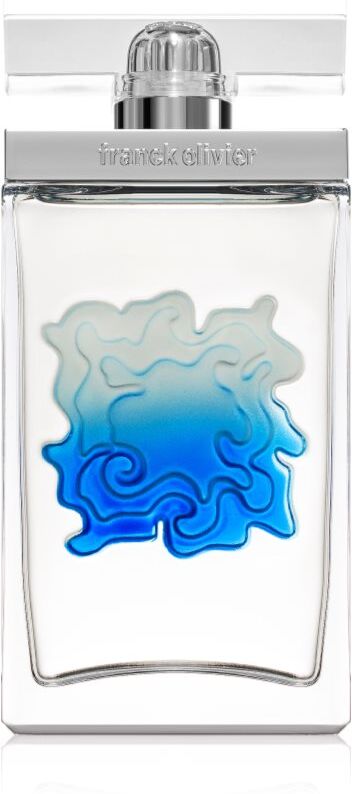
Franck Olivier Eau De Passion EDT M 75 mlFranck Olivier Eau De Passion, 75 ml, Eaux de Toilette for Men, Don’t lose your tempo even at the end of a busy day! Franck Olivier Eau De Passion Eau de Toilette for men is a colourful combination of ingredients that never gets boring and always helps you find the right rhythm. woody fragrance aromatic fragrance with herbal notes for an active man full of energy suitable for everyday wear30,00 £*Shipping: 3,99 £Secure redirect to the provider
-
Jimmy Choo Rose Passion Eau de Parfum Spray 100mlA floral amber fragrance that combines a top note of Coconut Water and Frangipani Flower that mixes perfectly with a heart note of Orchid and Jasmine to form the core of the fragrance, before finishing on a base note of Vanilla and Sandalwood to ground the fragrance.45,50 £*Shipping: 0,00 £Secure redirect to the provider
-
Why is CO2 not a dipole and H2O a dipole?
CO2 is not a dipole because it has a linear molecular geometry, meaning the two oxygen atoms are symmetrically arranged around the central carbon atom, resulting in a net dipole moment of zero. On the other hand, H2O is a dipole because it has a bent molecular geometry, causing the oxygen atom to pull the shared electrons closer to itself, resulting in a net dipole moment. This uneven distribution of charge creates a positive end (the hydrogen atoms) and a negative end (the oxygen atom), making H2O a polar molecule. **
-
What is the difference between hydrogen bonding and dipole-dipole interactions?
Hydrogen bonding is a specific type of dipole-dipole interaction that occurs between a hydrogen atom bonded to a highly electronegative atom (such as oxygen, nitrogen, or fluorine) and another electronegative atom in a different molecule. This type of interaction is stronger than regular dipole-dipole interactions because of the large electronegativity difference between the hydrogen and the other atom, resulting in a stronger attraction between the molecules. In contrast, dipole-dipole interactions occur between the positive end of one polar molecule and the negative end of another polar molecule, but do not involve a hydrogen atom bonded to a highly electronegative atom. **
-
What is the difference between a dipole and a non-dipole?
A dipole is a molecule that has a separation of positive and negative charges, resulting in a net dipole moment. This means that the molecule has a non-uniform distribution of electron density, leading to a partial positive and partial negative charge. On the other hand, a non-dipole molecule has a symmetrical distribution of electron density, resulting in no net dipole moment. This means that the molecule does not have a separation of positive and negative charges, and therefore does not exhibit dipole-dipole interactions. **
-
When do Van der Waals forces and dipole-dipole interactions occur?
Van der Waals forces occur between all atoms and molecules, regardless of their polarity, due to temporary fluctuations in electron distribution. Dipole-dipole interactions, on the other hand, occur between polar molecules that have a permanent separation of positive and negative charges. Both types of interactions are important in determining the physical properties of substances, such as their boiling and melting points, and play a significant role in the behavior of gases, liquids, and solids. **
* All prices are inclusive of VAT and, if applicable, plus shipping costs. The offer information is based on the details provided by the respective shop and is updated through automated processes. Real-time updates do not occur, so deviations can occur in individual cases. ** Note: Parts of this content were created by AI.