Buy sex.de.com ?
We are moving the project
sex.de.com .
Are you interested in purchasing the domain
sex.de.com ?
domain@kv-gmbh.de · 0541-91531010
Buy sex.de.com ?
Is Eau de Cologne (Cologne water) harmful to cats?
Yes, Eau de Cologne (Cologne water) can be harmful to cats. The high alcohol content in cologne can be toxic to cats if ingested or absorbed through their skin. Cats are also very sensitive to strong scents, and the fragrance in cologne can cause respiratory issues or skin irritation in cats. It's important to keep cologne and other scented products away from cats to prevent any potential harm. **
How old is the Eau de Cologne?
The Eau de Cologne is over 300 years old, dating back to the early 18th century. It was first created in Cologne, Germany by an Italian perfumer named Giovanni Maria Farina. The original formula was a blend of citrus oils and other botanical extracts, and it quickly gained popularity for its refreshing and invigorating scent. Today, Eau de Cologne continues to be a popular fragrance choice for its light and citrusy aroma. **


Similar search terms for Escentric-Molecules-Cologne-One
Top-Angebote
Products related to Escentric-Molecules-Cologne-One:
-
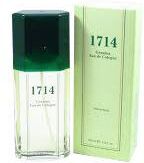
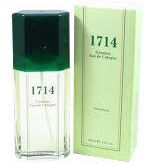
1714 Eau de cologne 1714 Eau de Cologne 15 mlHealth and Beauty Colonies 1714 Eau de cologne 1714 Eau de Cologne 15 ml 1714 is a date often associated with the invention of cologne. That same year, a scented water based on notes of flowers and citrus fruits was launched in the German city of Cologne to great acclaim. Over time, this fragrance became known by the generic name eau de cologne. 1714 Genuine Eau de Cologne Spray is a fresh and classic fragrance that you can use both daily and on special occasions to give your body a very pleasant aromatic veil.1,65 £*Shipping: 3,99 £Secure redirect to the provider
-
1714 Eau de cologne 1714 Eau de Cologne 100 mlHealth and Beauty Colonies 1714 Eau de cologne 1714 Eau de Cologne 100 ml 1714 is a date often associated with the invention of cologne. That same year, a scented water based on notes of flowers and citrus fruits was launched in the German city of Cologne to great acclaim. Over time, this fragrance became known by the generic name eau de cologne. 1714 Genuine Eau de Cologne Spray is a fresh and classic fragrance that you can use both daily and on special occasions to give your body a very pleasant aromatic veil.9,30 £*Shipping: 3,99 £Secure redirect to the provider
-
Roger&Gallet Cologne Twist Eau de Cologne Masculine SignatureAn eau de cologne. Energizing citrus burst from Sicily and Calabria. Aromatic sage and elemi for lingering freshness. Masculine, woody base of cashmere wood. Combines 13 medicinal plants with stimulating properties. Sicilian Lemon & Calabrian Bergamot: Bright, zesty top notes. Clary Sage & Elemi: Aromatic and spicy mid-tones.33,92 £*Shipping: 9,79 £Secure redirect to the provider


-
'Salts or molecules?'
Salts are compounds formed from the reaction of an acid and a base, while molecules are made up of atoms bonded together. Salts are ionic compounds, meaning they are made up of ions, while molecules can be either ionic or covalent compounds. Salts have a specific crystalline structure and are often soluble in water, while molecules can have a wide range of physical properties and solubilities. Overall, salts and molecules are distinct types of chemical compounds with different structures and properties. **
-
How can one determine the polarity of molecules?
The polarity of a molecule can be determined by considering the electronegativity of its constituent atoms and the overall molecular geometry. If the molecule has polar covalent bonds, meaning there is a significant difference in electronegativity between the atoms involved in the bond, then the molecule is likely to be polar. Additionally, the overall molecular shape and symmetry can also influence polarity. For example, if the molecule has a symmetrical shape and the polar bonds are arranged in a way that cancels out their dipole moments, then the molecule may be nonpolar. Overall, understanding the electronegativity and molecular geometry of a molecule can help determine its polarity. **
-
Which of the following molecules are dipole molecules and why?
Molecules that have a dipole moment are considered dipole molecules. A dipole moment occurs when there is an uneven distribution of electron density within a molecule, resulting in a partial positive and partial negative charge. For example, molecules like water (H2O) and ammonia (NH3) are dipole molecules because of their polar covalent bonds, which create a separation of charge within the molecule. On the other hand, molecules like carbon dioxide (CO2) and methane (CH4) are nonpolar and do not have a dipole moment because the electronegativity of the atoms cancel each other out, resulting in a symmetrical distribution of charge. **
-
What is the difference between compound molecules and element molecules?
Compound molecules are made up of two or more different elements chemically bonded together, such as water (H2O) or carbon dioxide (CO2). Element molecules, on the other hand, are made up of two or more atoms of the same element bonded together, such as oxygen (O2) or nitrogen (N2). In compound molecules, the atoms are different, while in element molecules, the atoms are the same. **


Why are water molecules permanent dipoles and carbon dioxide molecules not?
Water molecules are permanent dipoles because they have a bent molecular shape with unequal sharing of electrons between the oxygen and hydrogen atoms. This results in a partial negative charge on the oxygen atom and partial positive charges on the hydrogen atoms, creating a permanent dipole moment. On the other hand, carbon dioxide molecules are not permanent dipoles because they have a linear molecular shape with symmetrical distribution of the two oxygen atoms and the carbon atom. This results in equal sharing of electrons and no permanent dipole moment. **
Why do heptan-1-ol molecules and water molecules not mix?
Heptan-1-ol molecules and water molecules do not mix well because heptan-1-ol is a nonpolar molecule, while water is a polar molecule. Nonpolar molecules are not attracted to polar molecules, so they do not easily mix. Additionally, heptan-1-ol is hydrophobic, meaning it repels water, further preventing the two substances from mixing. This is due to the difference in the polarity and intermolecular forces between the two substances. **
Top-Angebote
Products related to Escentric-Molecules-Cologne-One:
-
Escentric Molecules Cologne One EDC U 100 mlEscentric Molecules Cologne One, 100 ml, Eaux de Cologne unisex, Escentric Molecules Cologne One unisex Eau de Cologne will bring you a brand new sensory experience. Discover a fragrance that doesn’t neatly fit into a box and masterfully brings out the individuality of its wearer. a balanced composition that suits both men and women an original fragrance created for demanding perfume lovers unisex – suitable for both women and men109,65 £*Shipping: 3,99 £Secure redirect to the provider
-
Escentric Molecules Escentric 05 EDT U Refill 30 mlEscentric Molecules Escentric 05, 30 ml, Eaux de Toilette unisex, Discover a fragrance that doesn’t neatly fit into a box and instead brings out your individuality. Escentric Molecules Escentric 05 unisex Eau de Toilette is the right choice when you want to show off your uniqueness. unique fragrance for a unique personality unisex fragrance57,71 £*Shipping: 3,99 £Secure redirect to the provider
-
1714 Eau de cologne 1714 Eau de Cologne 15 mlHealth and Beauty Colonies 1714 Eau de cologne 1714 Eau de Cologne 15 ml 1714 is a date often associated with the invention of cologne. That same year, a scented water based on notes of flowers and citrus fruits was launched in the German city of Cologne to great acclaim. Over time, this fragrance became known by the generic name eau de cologne. 1714 Genuine Eau de Cologne Spray is a fresh and classic fragrance that you can use both daily and on special occasions to give your body a very pleasant aromatic veil.1,65 £*Shipping: 3,99 £Secure redirect to the provider
-
Is Eau de Cologne (Cologne water) harmful to cats?
Yes, Eau de Cologne (Cologne water) can be harmful to cats. The high alcohol content in cologne can be toxic to cats if ingested or absorbed through their skin. Cats are also very sensitive to strong scents, and the fragrance in cologne can cause respiratory issues or skin irritation in cats. It's important to keep cologne and other scented products away from cats to prevent any potential harm. **
-
How old is the Eau de Cologne?
The Eau de Cologne is over 300 years old, dating back to the early 18th century. It was first created in Cologne, Germany by an Italian perfumer named Giovanni Maria Farina. The original formula was a blend of citrus oils and other botanical extracts, and it quickly gained popularity for its refreshing and invigorating scent. Today, Eau de Cologne continues to be a popular fragrance choice for its light and citrusy aroma. **
-
'Salts or molecules?'
Salts are compounds formed from the reaction of an acid and a base, while molecules are made up of atoms bonded together. Salts are ionic compounds, meaning they are made up of ions, while molecules can be either ionic or covalent compounds. Salts have a specific crystalline structure and are often soluble in water, while molecules can have a wide range of physical properties and solubilities. Overall, salts and molecules are distinct types of chemical compounds with different structures and properties. **
-
How can one determine the polarity of molecules?
The polarity of a molecule can be determined by considering the electronegativity of its constituent atoms and the overall molecular geometry. If the molecule has polar covalent bonds, meaning there is a significant difference in electronegativity between the atoms involved in the bond, then the molecule is likely to be polar. Additionally, the overall molecular shape and symmetry can also influence polarity. For example, if the molecule has a symmetrical shape and the polar bonds are arranged in a way that cancels out their dipole moments, then the molecule may be nonpolar. Overall, understanding the electronegativity and molecular geometry of a molecule can help determine its polarity. **
Similar search terms for Escentric-Molecules-Cologne-One
-
1714 Eau de cologne 1714 Eau de Cologne 100 mlHealth and Beauty Colonies 1714 Eau de cologne 1714 Eau de Cologne 100 ml 1714 is a date often associated with the invention of cologne. That same year, a scented water based on notes of flowers and citrus fruits was launched in the German city of Cologne to great acclaim. Over time, this fragrance became known by the generic name eau de cologne. 1714 Genuine Eau de Cologne Spray is a fresh and classic fragrance that you can use both daily and on special occasions to give your body a very pleasant aromatic veil.9,30 £*Shipping: 3,99 £Secure redirect to the provider
-
Roger&Gallet Cologne Twist Eau de Cologne Masculine SignatureAn eau de cologne. Energizing citrus burst from Sicily and Calabria. Aromatic sage and elemi for lingering freshness. Masculine, woody base of cashmere wood. Combines 13 medicinal plants with stimulating properties. Sicilian Lemon & Calabrian Bergamot: Bright, zesty top notes. Clary Sage & Elemi: Aromatic and spicy mid-tones.33,92 £*Shipping: 9,79 £Secure redirect to the provider
-
Abercrombie & Fitch Fierce Cologne Men Eau de Cologne Spray 200mlIntroducing itself with a fresh woody fir accord this fragrance evokes an image of distinctive woods, balanced out by lemon, orange, cardamom and a touch of sea notes. The heart note indulges in a floral stroke of roses, jasmine, lily of the valley and rosemary before it finally settles the scent within a base of vetiver, musk, oakmoss, rosewood and sandalwood completing the adventurous and woody fragrance.94,40 £*Shipping: 0,00 £Secure redirect to the provider
-
Which of the following molecules are dipole molecules and why?
Molecules that have a dipole moment are considered dipole molecules. A dipole moment occurs when there is an uneven distribution of electron density within a molecule, resulting in a partial positive and partial negative charge. For example, molecules like water (H2O) and ammonia (NH3) are dipole molecules because of their polar covalent bonds, which create a separation of charge within the molecule. On the other hand, molecules like carbon dioxide (CO2) and methane (CH4) are nonpolar and do not have a dipole moment because the electronegativity of the atoms cancel each other out, resulting in a symmetrical distribution of charge. **
-
What is the difference between compound molecules and element molecules?
Compound molecules are made up of two or more different elements chemically bonded together, such as water (H2O) or carbon dioxide (CO2). Element molecules, on the other hand, are made up of two or more atoms of the same element bonded together, such as oxygen (O2) or nitrogen (N2). In compound molecules, the atoms are different, while in element molecules, the atoms are the same. **
-
Why are water molecules permanent dipoles and carbon dioxide molecules not?
Water molecules are permanent dipoles because they have a bent molecular shape with unequal sharing of electrons between the oxygen and hydrogen atoms. This results in a partial negative charge on the oxygen atom and partial positive charges on the hydrogen atoms, creating a permanent dipole moment. On the other hand, carbon dioxide molecules are not permanent dipoles because they have a linear molecular shape with symmetrical distribution of the two oxygen atoms and the carbon atom. This results in equal sharing of electrons and no permanent dipole moment. **
-
Why do heptan-1-ol molecules and water molecules not mix?
Heptan-1-ol molecules and water molecules do not mix well because heptan-1-ol is a nonpolar molecule, while water is a polar molecule. Nonpolar molecules are not attracted to polar molecules, so they do not easily mix. Additionally, heptan-1-ol is hydrophobic, meaning it repels water, further preventing the two substances from mixing. This is due to the difference in the polarity and intermolecular forces between the two substances. **
* All prices are inclusive of VAT and, if applicable, plus shipping costs. The offer information is based on the details provided by the respective shop and is updated through automated processes. Real-time updates do not occur, so deviations can occur in individual cases. ** Note: Parts of this content were created by AI.