Buy sex.de.com ?
We are moving the project
sex.de.com .
Are you interested in purchasing the domain
sex.de.com ?
domain@kv-gmbh.de · 0541-91531010
Buy sex.de.com ?
What is mercantilism?
Mercantilism is an economic theory and practice that dominated European trade from the 16th to the 18th centuries. It focused on accumulating wealth through a favorable balance of trade, where a country exports more than it imports. Mercantilist policies included imposing tariffs and quotas on imports, promoting domestic industry, and acquiring colonies as sources of raw materials and markets for finished goods. Mercantilism aimed to increase a nation's power and wealth by maximizing exports and minimizing imports. **
Is there an opposite of mercantilism?
Yes, the opposite of mercantilism is often considered to be free trade or laissez-faire economics. Mercantilism is characterized by government intervention in the economy, protectionist trade policies, and the accumulation of wealth through a positive balance of trade. In contrast, free trade advocates for minimal government intervention in the economy, open markets, and the belief that trade benefits all parties involved. Free trade promotes the idea that individuals and businesses should be free to engage in commerce without government restrictions or tariffs. **


Similar search terms for Mercantilism
Top-Angebote
Products related to Mercantilism:
-
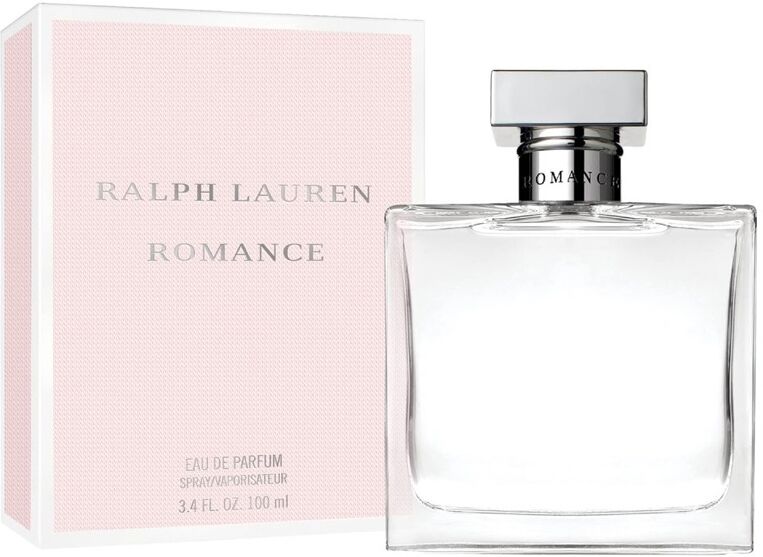
Ralph Lauren Romance Eau De Parfume 100mlDiscover the enduring allure of this classic fragrance for women, a scent defined by its timeless femininity and comforting sensuality, making it a perfect addition to any collection. The initial impression captivates with the powdery warmth of Violet Leaves and a touch of Pink Pepper in the top notes. At the heart of this beautiful fragrance lies a romantic floral bouquet, showcasing the exquisite blend of Rose Damascena, sophisticated Jasmine absolute, and bright Marigold essence. Finally, the enveloping and long-lasting base notes deliver a seductive finish, featuring Velvety soft woods, earthy Oak Moss, and sensual Musks, creating an unforgettable and classic perfume experience. Ingredients: For up to date product ingredients please see product packaging.102,01 £*Shipping: 0,00 £Secure redirect to the provider
-
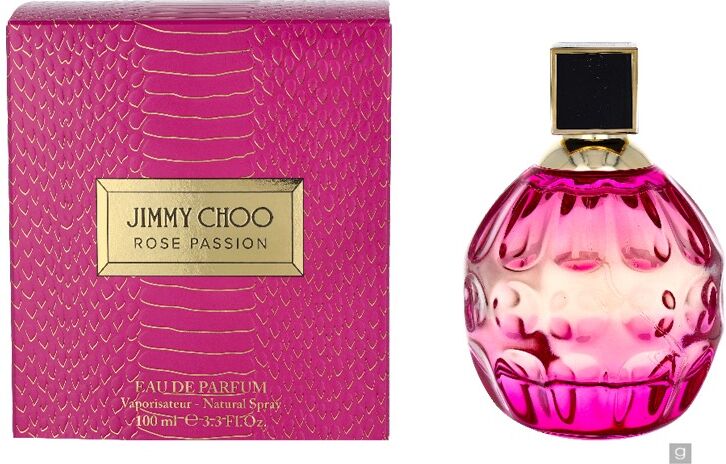
Jimmy Choo Rose Passion Eau de Parfum Spray 100mlA floral amber fragrance that combines a top note of Coconut Water and Frangipani Flower that mixes perfectly with a heart note of Orchid and Jasmine to form the core of the fragrance, before finishing on a base note of Vanilla and Sandalwood to ground the fragrance.45,50 £*Shipping: 0,00 £Secure redirect to the provider
-
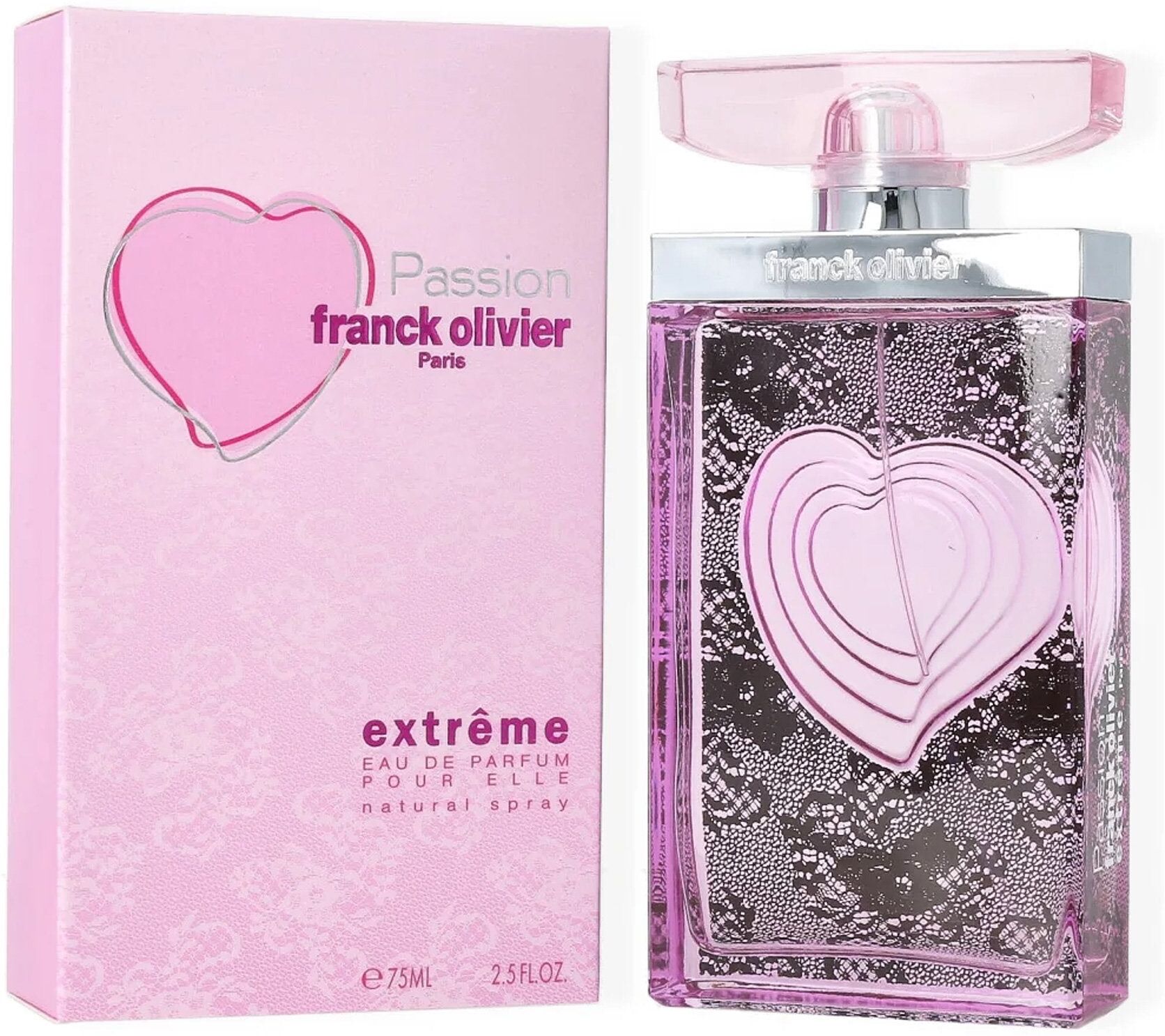
Franck Olivier Passion Extreme - 75ml Eau de Parfum SprayPassion Extreme by Franck Olivier is a Oriental Floral fragrance for women. Passion Extreme was launched in 2007. Top notes are Black Currant, Peach, Peach Blossom and Bergamot. Middle notes are Freesia, Magnolia, Lily-of-the-Valley and Turkish Rose. Base notes are Musk, Vanilla, Sandalwood, Vetiver and Peru Balsam.27,00 £*Shipping: 0,00 £Secure redirect to the provider

-
Why would mercantilism not work nowadays?
Mercantilism would not work nowadays because it is based on the idea of accumulating wealth through a favorable balance of trade, which can lead to protectionist policies and trade wars. In today's globalized economy, countries rely on international trade and cooperation to drive economic growth. Mercantilist policies such as tariffs and restrictions on imports can hinder economic development and lead to retaliation from trading partners. Additionally, the focus on hoarding gold and silver as a measure of wealth is outdated in a world where wealth is measured by a variety of factors beyond just precious metals. **
-
Why would mercantilism not work today?
Mercantilism is an economic theory that emphasizes the accumulation of wealth through government intervention in trade. However, in today's globalized economy, where trade barriers are reduced and countries rely on interconnected supply chains, the principles of mercantilism would not be effective. Unilateral efforts to hoard wealth through protectionist policies would likely lead to retaliation from trading partners, disrupting the delicate balance of international trade. Additionally, the focus on accumulating precious metals as a measure of wealth is outdated in a modern economy where wealth is created through innovation, technology, and human capital. **
-
What is the tariff wall of mercantilism?
The tariff wall of mercantilism refers to the system of high tariffs or taxes imposed on imported goods in order to protect domestic industries and promote exports. This policy was a key feature of mercantilist economic theory, which believed that a country's wealth and power could be increased by maximizing exports and minimizing imports. By creating barriers to foreign goods, countries sought to maintain a favorable balance of trade and accumulate precious metals. However, this protectionist approach often led to retaliatory measures by other countries and hindered overall economic growth. **
-
What exactly does mercantilism and absolutism mean?
Mercantilism was an economic theory and practice that dominated Western European economic policies from the 16th to the 18th century. It emphasized the importance of accumulating wealth through a favorable balance of trade, the establishment of colonies, and the promotion of domestic industry and manufacturing. Absolutism, on the other hand, was a political system in which a single ruler held absolute power and authority over the state and its people. This system was prevalent in Europe during the same time period as mercantilism and was characterized by centralized authority, the suppression of dissent, and the belief in the divine right of kings. Both mercantilism and absolutism were influential in shaping the political and economic landscape of early modern Europe. **


What is the difference between Mercantilism and Liberalism?
Mercantilism is an economic theory that emphasizes the importance of accumulating wealth through trade surpluses, government intervention in the economy, and the accumulation of gold and silver reserves. On the other hand, Liberalism is an economic theory that emphasizes free markets, limited government intervention, individual rights, and the importance of competition. While Mercantilism focuses on protectionist policies and state control of the economy, Liberalism promotes free trade and a laissez-faire approach to economic activities. **
Was liberalism a reaction to mercantilism and why?
Yes, liberalism can be seen as a reaction to mercantilism. Mercantilism was an economic system that emphasized government intervention in the economy, strict regulations on trade, and the accumulation of wealth through exports. In contrast, liberalism emerged as a response to the restrictions and regulations imposed by mercantilism, advocating for free trade, individual rights, and limited government intervention in the economy. Liberalism sought to promote economic freedom, competition, and the idea that individuals should be able to pursue their own economic interests without excessive government interference. **
Top-Angebote
Products related to Mercantilism:
-
Hodder & Stoughton Mating in Captivity by Esther Perel - Paperback Relationship Psychology Book - Desire, Intimacy & Long-Term LoveMating in Captivity is Esther Perel's exploration of desire within long-term relationships. Drawing on decades as a couples therapist, Perel asks why security and passion often pull against each other, and what couples can do to keep eroticism alive once domestic routine sets in. This thought-provoking read blends clinical case studies with accessible prose, making it a staple recommendation for therapists and relationship counsellors. The book examines modern relationships, which promise lifelong companionship, deep intimacy, and lasting erotic connection, but often work against these goals. Esther Perel draws on over three decades of clinical practice to explore the complexities of desire and relationships. Published by Hodder & Stoughton, this paperback is a must-read for anyone in a committed relationship.3,99 £*Shipping: 2,99 £Secure redirect to the provider
-
Dunhill Desire Red Eau de Toilette for Men 100 mlHealth and Beauty Colonies Dunhill Desire Red Eau de Toilette for Men 100 ml It is a very distinctive woody fruity scent for men. Extremely rewarding to wear , a stunning cologne that is one of a kind. For self- assured men who don't mind being noticed for the wonderful way they smell. -Top notes: bergamot, green lemon, neroli and crisp apple. -Heart notes: rich teak wood, rose petals and patchouli. -Base notes: creamy vanilla, musk and labdanum.27,82 £*Shipping: 3,99 £Secure redirect to the provider
-
Ralph Lauren Romance Eau De Parfume 100mlDiscover the enduring allure of this classic fragrance for women, a scent defined by its timeless femininity and comforting sensuality, making it a perfect addition to any collection. The initial impression captivates with the powdery warmth of Violet Leaves and a touch of Pink Pepper in the top notes. At the heart of this beautiful fragrance lies a romantic floral bouquet, showcasing the exquisite blend of Rose Damascena, sophisticated Jasmine absolute, and bright Marigold essence. Finally, the enveloping and long-lasting base notes deliver a seductive finish, featuring Velvety soft woods, earthy Oak Moss, and sensual Musks, creating an unforgettable and classic perfume experience. Ingredients: For up to date product ingredients please see product packaging.102,01 £*Shipping: 0,00 £Secure redirect to the provider
-
What is mercantilism?
Mercantilism is an economic theory and practice that dominated European trade from the 16th to the 18th centuries. It focused on accumulating wealth through a favorable balance of trade, where a country exports more than it imports. Mercantilist policies included imposing tariffs and quotas on imports, promoting domestic industry, and acquiring colonies as sources of raw materials and markets for finished goods. Mercantilism aimed to increase a nation's power and wealth by maximizing exports and minimizing imports. **
-
Is there an opposite of mercantilism?
Yes, the opposite of mercantilism is often considered to be free trade or laissez-faire economics. Mercantilism is characterized by government intervention in the economy, protectionist trade policies, and the accumulation of wealth through a positive balance of trade. In contrast, free trade advocates for minimal government intervention in the economy, open markets, and the belief that trade benefits all parties involved. Free trade promotes the idea that individuals and businesses should be free to engage in commerce without government restrictions or tariffs. **
-
Why would mercantilism not work nowadays?
Mercantilism would not work nowadays because it is based on the idea of accumulating wealth through a favorable balance of trade, which can lead to protectionist policies and trade wars. In today's globalized economy, countries rely on international trade and cooperation to drive economic growth. Mercantilist policies such as tariffs and restrictions on imports can hinder economic development and lead to retaliation from trading partners. Additionally, the focus on hoarding gold and silver as a measure of wealth is outdated in a world where wealth is measured by a variety of factors beyond just precious metals. **
-
Why would mercantilism not work today?
Mercantilism is an economic theory that emphasizes the accumulation of wealth through government intervention in trade. However, in today's globalized economy, where trade barriers are reduced and countries rely on interconnected supply chains, the principles of mercantilism would not be effective. Unilateral efforts to hoard wealth through protectionist policies would likely lead to retaliation from trading partners, disrupting the delicate balance of international trade. Additionally, the focus on accumulating precious metals as a measure of wealth is outdated in a modern economy where wealth is created through innovation, technology, and human capital. **
Similar search terms for Mercantilism
-
Jimmy Choo Rose Passion Eau de Parfum Spray 100mlA floral amber fragrance that combines a top note of Coconut Water and Frangipani Flower that mixes perfectly with a heart note of Orchid and Jasmine to form the core of the fragrance, before finishing on a base note of Vanilla and Sandalwood to ground the fragrance.45,50 £*Shipping: 0,00 £Secure redirect to the provider
-
Franck Olivier Passion Extreme - 75ml Eau de Parfum SprayPassion Extreme by Franck Olivier is a Oriental Floral fragrance for women. Passion Extreme was launched in 2007. Top notes are Black Currant, Peach, Peach Blossom and Bergamot. Middle notes are Freesia, Magnolia, Lily-of-the-Valley and Turkish Rose. Base notes are Musk, Vanilla, Sandalwood, Vetiver and Peru Balsam.27,00 £*Shipping: 0,00 £Secure redirect to the provider
-
Abercrombie & Fitch 100% Passion Eau de Toilette for Men 100mLA foundation. Awaken your inner fire with This product — a bold fragrance crafted for the modern man seeking self-expression and authenticity. What is the story of This product?. 100% Passion is more than a fragrance — it’s a call to embrace your identity. Designed for the man driven by purpose, this scent tells a story of bold beginnings and confident presence.53,05 £*Shipping: 6,94 £Secure redirect to the provider
-
Jimmy Choo Rose Passion 40ml Eau de Parfum Spray 40mlJimmy Choo Rose Passion is a floral ambery solar ode to a free-spirited woman living and loving life on her own terms. The fragrance opens with the freshness of coconut water and the rich exotic bloom of the frangipani flower. The middle notes combine the headiness of orchids with the seductive jasmine flower. The scent becomes more intense with the sandalwood and the exotic vanilla whose profoundness gives the creation a long-lasting trail. Just like a self-assured woman boldly adorned in pink, Jimmy Choo Rose Passion reflects in its jewelry-like bottle, a sense of playfulness, beautifully blended with glamour, empowerment, and seduction Size: 40ml24,90 £*Shipping: 3,99 £Secure redirect to the provider
-
What is the tariff wall of mercantilism?
The tariff wall of mercantilism refers to the system of high tariffs or taxes imposed on imported goods in order to protect domestic industries and promote exports. This policy was a key feature of mercantilist economic theory, which believed that a country's wealth and power could be increased by maximizing exports and minimizing imports. By creating barriers to foreign goods, countries sought to maintain a favorable balance of trade and accumulate precious metals. However, this protectionist approach often led to retaliatory measures by other countries and hindered overall economic growth. **
-
What exactly does mercantilism and absolutism mean?
Mercantilism was an economic theory and practice that dominated Western European economic policies from the 16th to the 18th century. It emphasized the importance of accumulating wealth through a favorable balance of trade, the establishment of colonies, and the promotion of domestic industry and manufacturing. Absolutism, on the other hand, was a political system in which a single ruler held absolute power and authority over the state and its people. This system was prevalent in Europe during the same time period as mercantilism and was characterized by centralized authority, the suppression of dissent, and the belief in the divine right of kings. Both mercantilism and absolutism were influential in shaping the political and economic landscape of early modern Europe. **
-
What is the difference between Mercantilism and Liberalism?
Mercantilism is an economic theory that emphasizes the importance of accumulating wealth through trade surpluses, government intervention in the economy, and the accumulation of gold and silver reserves. On the other hand, Liberalism is an economic theory that emphasizes free markets, limited government intervention, individual rights, and the importance of competition. While Mercantilism focuses on protectionist policies and state control of the economy, Liberalism promotes free trade and a laissez-faire approach to economic activities. **
-
Was liberalism a reaction to mercantilism and why?
Yes, liberalism can be seen as a reaction to mercantilism. Mercantilism was an economic system that emphasized government intervention in the economy, strict regulations on trade, and the accumulation of wealth through exports. In contrast, liberalism emerged as a response to the restrictions and regulations imposed by mercantilism, advocating for free trade, individual rights, and limited government intervention in the economy. Liberalism sought to promote economic freedom, competition, and the idea that individuals should be able to pursue their own economic interests without excessive government interference. **
* All prices are inclusive of VAT and, if applicable, plus shipping costs. The offer information is based on the details provided by the respective shop and is updated through automated processes. Real-time updates do not occur, so deviations can occur in individual cases. ** Note: Parts of this content were created by AI.