Buy sex.de.com ?
We are moving the project
sex.de.com .
Are you interested in purchasing the domain
sex.de.com ?
domain@kv-gmbh.de · 0541-91531010
Buy sex.de.com ?
What does l'homme de la nature et de la vérité mean?
L'homme de la nature et de la vérité means "the man of nature and truth" in French. This phrase refers to a person who is in tune with the natural world and seeks to live in accordance with truth and authenticity. It conveys the idea of someone who values simplicity, honesty, and a deep connection to the natural environment. This concept is often associated with the Romantic movement in literature and philosophy, which emphasized the importance of nature and the pursuit of truth. **
What is the difference between de, de la, du, des, and de?
The difference between de, de la, du, des, and de lies in their usage with different nouns. "De" is used before masculine singular nouns, "de la" before feminine singular nouns, "du" before masculine singular nouns starting with a vowel or silent "h," and "des" before plural nouns. "De" is also used before verbs and expressions of quantity. **
Similar search terms for Quinta-de-la-Rosa
Top-Angebote
Products related to Quinta-de-la-Rosa:
-
"""Quinta de la Rosa""" """Quinta de la Rosa 20 Year Tawny Port (500Ml) Dessert Wine - Portugal""""""The beautiful golden color is a good indication of the age of this excellent tawny port. With a great richness and aromatic complexity, notably of almond and spices, this wine has a seductive texture with dry fruits and liqueur flavors. A blend..."77,99 $*Shipping: 0,00 $Secure redirect to the provider
-
"""Quinta de la Rosa""" """Quinta de la Rosa Late Bottled Vintage Port (500Ml) 2018 Dessert Wine - Portugal""""""Intensely aromas of ripe fruit with fresh plums, raspberries, aromatic herbs and violets. On the palate it is very dense and structured, with bold flavors, ripe yet smooth tannins. Pretty and persistent with a sweet and seductive finish. The Port..."37,99 $*Shipping: 0,00 $Secure redirect to the provider
-
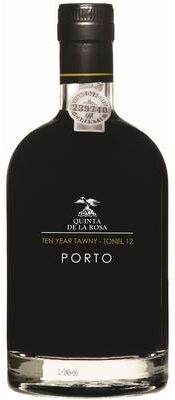
"""Quinta de la Rosa""" """Quinta de la Rosa Tonel 12 10 Year Tawny Port (500Ml) Dessert Wine - Portugal""""""La Rosa's Ten Year Old Tawny is a blend of fine old ports matured in a small oak casks, located in the Quinta's lodge. It is a rich and elegant blend with wonderful aromas exuding the heat of the Douro. On the palate it is complex with powerful..."58,99 $*Shipping: 0,00 $Secure redirect to the provider
-
De La Rosa PulparindotsThese Pulparindots are a delicious and tangy treat that combines the sweetness of candy with the bold flavours of tamarind. Each candy is coated with a thin layer of sugar and filled with a hot and salted tamarind pulp, creating a unique and mouthwatering taste sensation.7,80 £*Shipping: 3,90 £Secure redirect to the provider



-
When do you use "de, de el, del, and de la" in Spanish?
In Spanish, "de" is used to indicate possession or relationship between two nouns, for example: el libro de Juan (Juan's book). "De el" is contracted to "del" and is used when the noun following it is masculine singular, for example: el libro del estudiante (the student's book). "De la" is used when the noun following it is feminine singular, for example: la casa de la abuela (the grandmother's house). These prepositions are used to show possession or relationship between two nouns in Spanish. **
-
When do we use du, de la, de l', de and des in French?
In French, "du" is used before masculine singular nouns, "de la" is used before feminine singular nouns, "de l'" is used before singular nouns that begin with a vowel or silent "h", "de" is used before masculine or feminine singular nouns that are preceded by a specific quantity or expression of quantity, and "des" is used before plural nouns. These articles indicate the partitive or indefinite nature of the noun they precede, and they are used to express the idea of some, any, or a part of something. **
-
Who was Jean de La Fontaine?
Jean de La Fontaine was a French poet and fabulist who lived in the 17th century. He is best known for his collection of fables, which were written in verse and often featured animals as characters to convey moral lessons. La Fontaine's fables are still widely read and studied for their wit, humor, and timeless wisdom. He is considered one of the greatest French poets of his time and his work continues to be celebrated for its enduring appeal. **
-
What does "La Marquise de Pompadour est la maîtresse de Louis XV" mean translated into German?
"La Marquise de Pompadour est la maîtresse de Louis XV" translates to "Die Marquise von Pompadour ist die Geliebte von Louis XV" in German. **


When do we use au, aux, de, de la, and des?
We use "au" when referring to a masculine singular noun, "aux" for a plural noun, "de" for a singular noun without a specific article, "de la" for a singular feminine noun, and "des" for a plural noun. These prepositions are used to indicate possession, origin, material, or destination in French sentences. It is important to match the preposition with the gender and number of the noun being referred to. **
When do you use du, de la, de l' and des?
You use "du" when referring to masculine singular nouns, "de la" when referring to feminine singular nouns, "de l'" when referring to singular nouns that start with a vowel or silent "h", and "des" when referring to plural nouns. These are partitive articles used to indicate an unspecified quantity or some of something. For example, "du pain" (some bread), "de la confiture" (some jam), "de l'eau" (some water), and "des fruits" (some fruits). **
Top-Angebote
Products related to Quinta-de-la-Rosa:
-
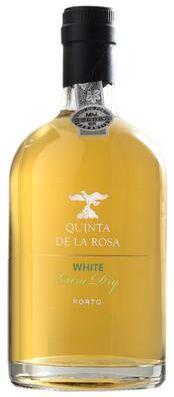
"""Quinta de la Rosa""" """Quinta de la Rosa White Port (500Ml) Dessert Wine - Portugal""""""All of Quinta de la Rosa's ports are made in the 'house style' --namely, they are slightly drier without any cloying sweetness that can be associated with some other ports. Beautiful amber/honey in color, this port shows excellent fruit on the..."31,99 $*Shipping: 0,00 $Secure redirect to the provider
-
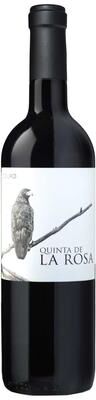
"""Quinta de la Rosa""" """Quinta de la Rosa Estate Red Reserva 2022 Red Wine - Portugal""""""On the nose, wild herbal, shrub-like flavors of the Douro are evident. The ripeness of the La Rosa is almost perfect, giving good aromatic complexity but maintaining all the freshness and elegance that the excessive summer heat sometimes gives to..."29,97 $*Shipping: 0,00 $Secure redirect to the provider
-
"""Quinta de la Rosa""" """Quinta de la Rosa 20 Year Tawny Port (500Ml) Dessert Wine - Portugal""""""The beautiful golden color is a good indication of the age of this excellent tawny port. With a great richness and aromatic complexity, notably of almond and spices, this wine has a seductive texture with dry fruits and liqueur flavors. A blend..."77,99 $*Shipping: 0,00 $Secure redirect to the provider
-
"""Quinta de la Rosa""" """Quinta de la Rosa Late Bottled Vintage Port (500Ml) 2018 Dessert Wine - Portugal""""""Intensely aromas of ripe fruit with fresh plums, raspberries, aromatic herbs and violets. On the palate it is very dense and structured, with bold flavors, ripe yet smooth tannins. Pretty and persistent with a sweet and seductive finish. The Port..."37,99 $*Shipping: 0,00 $Secure redirect to the provider
-
What does l'homme de la nature et de la vérité mean?
L'homme de la nature et de la vérité means "the man of nature and truth" in French. This phrase refers to a person who is in tune with the natural world and seeks to live in accordance with truth and authenticity. It conveys the idea of someone who values simplicity, honesty, and a deep connection to the natural environment. This concept is often associated with the Romantic movement in literature and philosophy, which emphasized the importance of nature and the pursuit of truth. **
-
What is the difference between de, de la, du, des, and de?
The difference between de, de la, du, des, and de lies in their usage with different nouns. "De" is used before masculine singular nouns, "de la" before feminine singular nouns, "du" before masculine singular nouns starting with a vowel or silent "h," and "des" before plural nouns. "De" is also used before verbs and expressions of quantity. **
-
When do you use "de, de el, del, and de la" in Spanish?
In Spanish, "de" is used to indicate possession or relationship between two nouns, for example: el libro de Juan (Juan's book). "De el" is contracted to "del" and is used when the noun following it is masculine singular, for example: el libro del estudiante (the student's book). "De la" is used when the noun following it is feminine singular, for example: la casa de la abuela (the grandmother's house). These prepositions are used to show possession or relationship between two nouns in Spanish. **
-
When do we use du, de la, de l', de and des in French?
In French, "du" is used before masculine singular nouns, "de la" is used before feminine singular nouns, "de l'" is used before singular nouns that begin with a vowel or silent "h", "de" is used before masculine or feminine singular nouns that are preceded by a specific quantity or expression of quantity, and "des" is used before plural nouns. These articles indicate the partitive or indefinite nature of the noun they precede, and they are used to express the idea of some, any, or a part of something. **
Similar search terms for Quinta-de-la-Rosa
-
"""Quinta de la Rosa""" """Quinta de la Rosa Tonel 12 10 Year Tawny Port (500Ml) Dessert Wine - Portugal""""""La Rosa's Ten Year Old Tawny is a blend of fine old ports matured in a small oak casks, located in the Quinta's lodge. It is a rich and elegant blend with wonderful aromas exuding the heat of the Douro. On the palate it is complex with powerful..."58,99 $*Shipping: 0,00 $Secure redirect to the provider
-
De La Rosa PulparindotsThese Pulparindots are a delicious and tangy treat that combines the sweetness of candy with the bold flavours of tamarind. Each candy is coated with a thin layer of sugar and filled with a hot and salted tamarind pulp, creating a unique and mouthwatering taste sensation.7,80 £*Shipping: 3,90 £Secure redirect to the provider
-
"""Quinta de Milu""" """Quinta de Milu La Cometa 2023 Red Wine - Spain""""""\""La Cometa\"" comes from Germán’s oldest vineyards: 70-year-old vines planted at high altitudes. 100% Tempranillo grapes are hand-harvested and foot-crushed; with some destemming. Aged for 14 months in foudre and old 225-liter and 500-liter French..."36,99 $*Shipping: 0,00 $Secure redirect to the provider
-
De La Rosa Pulparindots Watermelon 360gThese Pulparindots are a delicious combination of tangy tamarind and sweet watermelon. The tamarind pulp is coated in a flavorful watermelon shell, creating a burst of flavour with every bite. Perfect for snacking on the go or adding a unique twist to your favourite recipes.7,80 £*Shipping: 3,90 £Secure redirect to the provider
-
Who was Jean de La Fontaine?
Jean de La Fontaine was a French poet and fabulist who lived in the 17th century. He is best known for his collection of fables, which were written in verse and often featured animals as characters to convey moral lessons. La Fontaine's fables are still widely read and studied for their wit, humor, and timeless wisdom. He is considered one of the greatest French poets of his time and his work continues to be celebrated for its enduring appeal. **
-
What does "La Marquise de Pompadour est la maîtresse de Louis XV" mean translated into German?
"La Marquise de Pompadour est la maîtresse de Louis XV" translates to "Die Marquise von Pompadour ist die Geliebte von Louis XV" in German. **
-
When do we use au, aux, de, de la, and des?
We use "au" when referring to a masculine singular noun, "aux" for a plural noun, "de" for a singular noun without a specific article, "de la" for a singular feminine noun, and "des" for a plural noun. These prepositions are used to indicate possession, origin, material, or destination in French sentences. It is important to match the preposition with the gender and number of the noun being referred to. **
-
When do you use du, de la, de l' and des?
You use "du" when referring to masculine singular nouns, "de la" when referring to feminine singular nouns, "de l'" when referring to singular nouns that start with a vowel or silent "h", and "des" when referring to plural nouns. These are partitive articles used to indicate an unspecified quantity or some of something. For example, "du pain" (some bread), "de la confiture" (some jam), "de l'eau" (some water), and "des fruits" (some fruits). **
* All prices are inclusive of VAT and, if applicable, plus shipping costs. The offer information is based on the details provided by the respective shop and is updated through automated processes. Real-time updates do not occur, so deviations can occur in individual cases. ** Note: Parts of this content were created by AI.