Buy sex.de.com ?
We are moving the project
sex.de.com .
Are you interested in purchasing the domain
sex.de.com ?
domain@kv-gmbh.de · 0541-91531010
Buy sex.de.com ?
What is the order of sigma forward, pi reverse, and pi forward bonding?
The order of bonding in terms of bond strength is sigma forward > pi forward > pi reverse. Sigma bonds are the strongest type of covalent bonds, formed by head-on overlap of atomic orbitals. Pi bonds are formed by the side-to-side overlap of p orbitals, and pi forward bonds are stronger than pi reverse bonds due to the orientation of the overlapping orbitals. Overall, sigma forward bonds are the strongest, followed by pi forward bonds, and then pi reverse bonds. **
What distinguishes all types of bonding: ionic bonding, metallic bonding, and covalent bonding?
Ionic bonding involves the transfer of electrons from one atom to another, resulting in the formation of positively and negatively charged ions that are attracted to each other. Metallic bonding involves the sharing of electrons among a sea of delocalized electrons, creating a "sea of electrons" that holds the metal atoms together. Covalent bonding involves the sharing of electrons between atoms, resulting in the formation of molecules. Despite their differences, all types of bonding involve the interaction of electrons between atoms to form stable chemical compounds. **


Similar search terms for Pi-bonding
Top-Angebote
Products related to Pi-bonding:
-
Givenchy Pi Eau de Toilette Spray 100mlA woody amber fragrance that combines a top note of benzoin that mixes perfectly with a heart note of guaiac to form the core of the fragrance, before finishing on a base note of mandarin to ground the fragrance.70,40 £*Shipping: 0,00 £Secure redirect to the provider
-
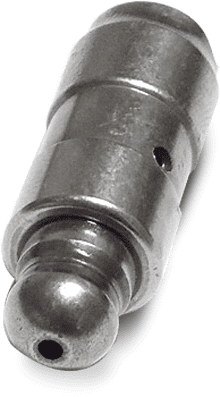
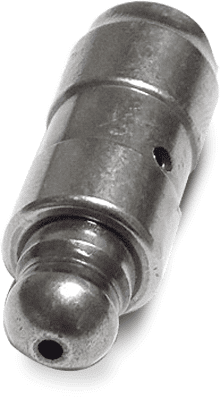
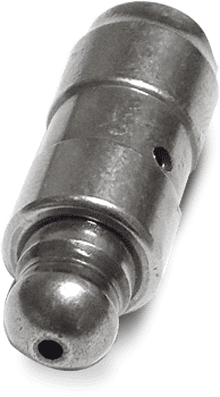
FRECCIA PI 06-0070 TappetFitting Position: Exhaust Side, Intake Side; Diameter: 12; Operating Mode: hydraulic; Thickness 1 [mm]: 34,65; TecDoc Engine Number: 24613, 26305, 26136, 30401, 26347, 24405, 26348, 29233, 26346, 25060, 26349, 28915, 40548, 28913, 30250, 36053, 28914, 28734, 29579, 29581, 29493, 36058, 31366, 29580, 29839, 29840, 36039, 30362, 30399, 30762, 31271, 32534, 34115, 31354, 31356, 31363, 32880, 36015, 34844, 38772, 36018, 36132, 37109, 37423, 37424, 40499, 37568, 41190, 37628, 45820, 376297,29 £*Shipping: 8,45 £Secure redirect to the provider
-
FRECCIA PI 03-157 TappetFitting Position: Exhaust Side, Intake Side; Height: 30; Height 1 [mm]: 7,95; Outer Diameter [mm]: 35; Inner Diameter [mm]: 33; TecDoc Engine Number: 22179, 5541, 21133, 20051, 24785, 20050, 16350, 16351, 18536, 23549, 16373, 11428, 20831, 18537, 16305, 16339, 17498, 17028, 21223, 21224, 18691, 16529, 16347, 16343, 16344, 16534, 18286, 20706, 18419, 21135, 19678, 20988, 22192, 18514, 21173, 20974, 19223, 20817, 22193, 22403, 24784, 28611, 33762, 24972, 31425, 35726, 38440, 370365,59 £*Shipping: 8,45 £Secure redirect to the provider


-
What distinguishes all types of chemical bonding: ionic bonding, metallic bonding, and covalent bonding?
The main distinction among the three types of chemical bonding lies in the way atoms are held together. In ionic bonding, atoms transfer electrons to achieve a stable electron configuration. Metallic bonding involves a sea of delocalized electrons shared among a lattice of metal atoms. Covalent bonding, on the other hand, involves the sharing of electrons between atoms to achieve a stable electron configuration. Each type of bonding results in different properties and behaviors of the substances formed. **
-
What are examples of ionic bonding, covalent bonding, and metallic bonding?
Ionic bonding occurs when one atom transfers electrons to another, resulting in the formation of positively and negatively charged ions that are attracted to each other. An example of ionic bonding is the bond between sodium and chlorine in sodium chloride (table salt). Covalent bonding occurs when atoms share electrons to achieve a full outer shell. An example of covalent bonding is the bond between two hydrogen atoms in a molecule of hydrogen gas (H2). Metallic bonding occurs in metals, where the outer electrons of the atoms are delocalized and free to move throughout the structure, creating a "sea" of electrons that hold the metal atoms together. An example of metallic bonding is the bond between atoms in a piece of copper metal. **
-
What is the difference between ionic bonding, covalent bonding, and metallic bonding?
Ionic bonding involves the transfer of electrons from one atom to another, resulting in the formation of positively and negatively charged ions that are held together by electrostatic forces. Covalent bonding involves the sharing of electrons between atoms to achieve a stable electron configuration. Metallic bonding occurs in metals, where electrons are delocalized and free to move throughout the material, creating a "sea of electrons" that hold the metal atoms together. Each type of bonding results in different properties and behaviors of the substances involved. **
-
Who is familiar with chemistry in ionic bonding, metallic bonding, and molecular bonding?
Individuals who have studied chemistry at a high school or college level are likely to be familiar with ionic bonding, metallic bonding, and molecular bonding. This includes students, teachers, and professionals in the fields of chemistry, chemical engineering, and materials science. Additionally, those who have a general interest in science and have taken courses or done independent study in chemistry may also have knowledge of these types of chemical bonding. **

What are the similarities between ionic bonding and covalent bonding?
Both ionic bonding and covalent bonding involve the sharing or transfer of electrons between atoms to achieve a stable electron configuration. In both types of bonding, the goal is for each atom to achieve a full outer electron shell. Additionally, both types of bonding result in the formation of a compound with a neutral charge. However, the key difference between the two is that ionic bonding involves the transfer of electrons from one atom to another, while covalent bonding involves the sharing of electrons between atoms. **
What is the difference between covalent bonding and ionic bonding?
Covalent bonding involves the sharing of electrons between atoms to achieve a stable electron configuration, typically between nonmetals. Ionic bonding involves the transfer of electrons from one atom to another, resulting in the formation of positively and negatively charged ions that are attracted to each other, typically between a metal and a nonmetal. In covalent bonding, the atoms involved have similar electronegativities, while in ionic bonding, there is a significant difference in electronegativities between the atoms. **
Top-Angebote
Products related to Pi-bonding:
-
Givenchy Pi Eau de Toilette 100 mlHealth and Beauty Colonies Givenchy Pi Eau de Toilette 100 ml A fragrance dedicated to challengers who continue to challenge their knowledge and talents. A strong and delicate fragrance dedicated to the challengers who continue to challenge . An infinite number that never ends . It means an endless challenge to human intelligence, full of meaning . "Further than infinity" A fragrance dedicated to the challengers who constantly challenge their knowledge and talents for new discoveries in the history of humanity and for human development. The sweet scent creates a warm aura Top note: brightness, uplifting , sparkling freshness (mandarin, galvanum). Middle Note: Different aromas resonate, giving a strong and delicate impression (Amphinium). Last Note: Aura. Propagation of sensuality, tranquility and warmth (benzoin, gaiac)59,03 £*Shipping: 3,99 £Secure redirect to the provider
-
Givenchy Pi Eau de Toilette 50 mlHealth and Beauty Colonies Givenchy Pi Eau de Toilette 50 ml A fragrance dedicated to challengers who continue to challenge their knowledge and talents. A strong and delicate fragrance dedicated to the challengers who continue to challenge . An infinite number that never ends . It means an endless challenge to human intelligence, full of meaning . "Further than infinity" A fragrance dedicated to the challengers who constantly challenge their knowledge and talents for new discoveries in the history of humanity and for human development. The sweet scent creates a warm aura Top note: brightness, uplifting , sparkling freshness (mandarin, galvanum). Middle Note: Different aromas resonate, giving a strong and delicate impression (Amphinium). Last Note: Aura. Propagation of sensuality, tranquility and warmth (benzoin, gaiac)43,59 £*Shipping: 3,99 £Secure redirect to the provider
-
Givenchy Pi Eau de Toilette Spray 100mlA woody amber fragrance that combines a top note of benzoin that mixes perfectly with a heart note of guaiac to form the core of the fragrance, before finishing on a base note of mandarin to ground the fragrance.70,40 £*Shipping: 0,00 £Secure redirect to the provider
-
FRECCIA PI 06-0070 TappetFitting Position: Exhaust Side, Intake Side; Diameter: 12; Operating Mode: hydraulic; Thickness 1 [mm]: 34,65; TecDoc Engine Number: 24613, 26305, 26136, 30401, 26347, 24405, 26348, 29233, 26346, 25060, 26349, 28915, 40548, 28913, 30250, 36053, 28914, 28734, 29579, 29581, 29493, 36058, 31366, 29580, 29839, 29840, 36039, 30362, 30399, 30762, 31271, 32534, 34115, 31354, 31356, 31363, 32880, 36015, 34844, 38772, 36018, 36132, 37109, 37423, 37424, 40499, 37568, 41190, 37628, 45820, 376297,29 £*Shipping: 8,45 £Secure redirect to the provider
-
What is the order of sigma forward, pi reverse, and pi forward bonding?
The order of bonding in terms of bond strength is sigma forward > pi forward > pi reverse. Sigma bonds are the strongest type of covalent bonds, formed by head-on overlap of atomic orbitals. Pi bonds are formed by the side-to-side overlap of p orbitals, and pi forward bonds are stronger than pi reverse bonds due to the orientation of the overlapping orbitals. Overall, sigma forward bonds are the strongest, followed by pi forward bonds, and then pi reverse bonds. **
-
What distinguishes all types of bonding: ionic bonding, metallic bonding, and covalent bonding?
Ionic bonding involves the transfer of electrons from one atom to another, resulting in the formation of positively and negatively charged ions that are attracted to each other. Metallic bonding involves the sharing of electrons among a sea of delocalized electrons, creating a "sea of electrons" that holds the metal atoms together. Covalent bonding involves the sharing of electrons between atoms, resulting in the formation of molecules. Despite their differences, all types of bonding involve the interaction of electrons between atoms to form stable chemical compounds. **
-
What distinguishes all types of chemical bonding: ionic bonding, metallic bonding, and covalent bonding?
The main distinction among the three types of chemical bonding lies in the way atoms are held together. In ionic bonding, atoms transfer electrons to achieve a stable electron configuration. Metallic bonding involves a sea of delocalized electrons shared among a lattice of metal atoms. Covalent bonding, on the other hand, involves the sharing of electrons between atoms to achieve a stable electron configuration. Each type of bonding results in different properties and behaviors of the substances formed. **
-
What are examples of ionic bonding, covalent bonding, and metallic bonding?
Ionic bonding occurs when one atom transfers electrons to another, resulting in the formation of positively and negatively charged ions that are attracted to each other. An example of ionic bonding is the bond between sodium and chlorine in sodium chloride (table salt). Covalent bonding occurs when atoms share electrons to achieve a full outer shell. An example of covalent bonding is the bond between two hydrogen atoms in a molecule of hydrogen gas (H2). Metallic bonding occurs in metals, where the outer electrons of the atoms are delocalized and free to move throughout the structure, creating a "sea" of electrons that hold the metal atoms together. An example of metallic bonding is the bond between atoms in a piece of copper metal. **
Similar search terms for Pi-bonding
-
FRECCIA PI 03-157 TappetFitting Position: Exhaust Side, Intake Side; Height: 30; Height 1 [mm]: 7,95; Outer Diameter [mm]: 35; Inner Diameter [mm]: 33; TecDoc Engine Number: 22179, 5541, 21133, 20051, 24785, 20050, 16350, 16351, 18536, 23549, 16373, 11428, 20831, 18537, 16305, 16339, 17498, 17028, 21223, 21224, 18691, 16529, 16347, 16343, 16344, 16534, 18286, 20706, 18419, 21135, 19678, 20988, 22192, 18514, 21173, 20974, 19223, 20817, 22193, 22403, 24784, 28611, 33762, 24972, 31425, 35726, 38440, 370365,59 £*Shipping: 8,45 £Secure redirect to the provider
-
FRECCIA PI 06-0050 TappetFitting Position: Intake Side, Exhaust Side; Height: 34,800; Diameter: 12; Operating Mode: hydraulic; TecDoc Engine Number: 24935, 23536, 24653, 23770, 24655, 24654, 25885, 25886, 25887, 18792, 18793, 32318, 28621, 18791, 29730, 29729, 18510, 29779, 23306, 23305, 23354, 24436, 24428, 25633, 24429, 294848,99 £*Shipping: 8,45 £Secure redirect to the provider
-
FRECCIA PI 06-0054 TappetFitting Position: Intake Side, Exhaust Side; Height: 35,600; Diameter: 12; Operating Mode: hydraulic; TecDoc Engine Number: 21740, 24812, 19298, 21733, 21731, 19815, 21838, 25015, 25144, 20157, 22621, 26206, 25707, 22593, 34969, 17683, 14668, 18020, 18146, 20350, 18021, 19202, 20148, 19193, 20925, 20064, 21837, 21854, 21852, 21853, 22595, 22594, 22596, 21730, 25807, 35048, 24002, 34081, 24601, 30474, 28256, 36047, 32920, 31852, 36027, 27480, 35067, 27481, 27816, 27815, 28301, 30372, 30373, 28569, 28884, 28882, 30344, 29526, 30253, 35612, 31795, 36036, 35613, 35615, 35617, 30246, 34984, 34985, 31267, 31460, 31452, 34988, 36129, 34989, 36130, 32190, 31462, 32188, 32191, 34878, 34879, 34986, 34877, 34876, 34987, 34983, 36022, 36082, 367939,99 £*Shipping: 8,45 £Secure redirect to the provider
-
What is the difference between ionic bonding, covalent bonding, and metallic bonding?
Ionic bonding involves the transfer of electrons from one atom to another, resulting in the formation of positively and negatively charged ions that are held together by electrostatic forces. Covalent bonding involves the sharing of electrons between atoms to achieve a stable electron configuration. Metallic bonding occurs in metals, where electrons are delocalized and free to move throughout the material, creating a "sea of electrons" that hold the metal atoms together. Each type of bonding results in different properties and behaviors of the substances involved. **
-
Who is familiar with chemistry in ionic bonding, metallic bonding, and molecular bonding?
Individuals who have studied chemistry at a high school or college level are likely to be familiar with ionic bonding, metallic bonding, and molecular bonding. This includes students, teachers, and professionals in the fields of chemistry, chemical engineering, and materials science. Additionally, those who have a general interest in science and have taken courses or done independent study in chemistry may also have knowledge of these types of chemical bonding. **
-
What are the similarities between ionic bonding and covalent bonding?
Both ionic bonding and covalent bonding involve the sharing or transfer of electrons between atoms to achieve a stable electron configuration. In both types of bonding, the goal is for each atom to achieve a full outer electron shell. Additionally, both types of bonding result in the formation of a compound with a neutral charge. However, the key difference between the two is that ionic bonding involves the transfer of electrons from one atom to another, while covalent bonding involves the sharing of electrons between atoms. **
-
What is the difference between covalent bonding and ionic bonding?
Covalent bonding involves the sharing of electrons between atoms to achieve a stable electron configuration, typically between nonmetals. Ionic bonding involves the transfer of electrons from one atom to another, resulting in the formation of positively and negatively charged ions that are attracted to each other, typically between a metal and a nonmetal. In covalent bonding, the atoms involved have similar electronegativities, while in ionic bonding, there is a significant difference in electronegativities between the atoms. **
* All prices are inclusive of VAT and, if applicable, plus shipping costs. The offer information is based on the details provided by the respective shop and is updated through automated processes. Real-time updates do not occur, so deviations can occur in individual cases. ** Note: Parts of this content were created by AI.