Buy sex.de.com ?
We are moving the project
sex.de.com .
Are you interested in purchasing the domain
sex.de.com ?
domain@kv-gmbh.de · 0541-91531010
Buy sex.de.com ?
What is reactivity?
Reactivity refers to how likely a substance is to undergo a chemical reaction. Highly reactive substances are more likely to react with other substances, while less reactive substances are more stable and less likely to undergo reactions. Reactivity is influenced by factors such as the arrangement of electrons in an atom or molecule, the presence of functional groups, and the chemical environment in which the substance is placed. Understanding the reactivity of a substance is important in predicting its behavior in various chemical reactions. **
What is reactivity in chemistry?
Reactivity in chemistry refers to the tendency of a substance to undergo chemical reactions with other substances. This can be influenced by factors such as the arrangement of electrons in the atoms, the presence of functional groups, and the stability of the resulting products. Highly reactive substances are more likely to participate in chemical reactions, while less reactive substances are more stable and less likely to undergo reactions. Understanding reactivity is important in predicting how substances will behave in various chemical processes and reactions. **


Similar search terms for Reactivity
Top-Angebote
Products related to Reactivity:
-
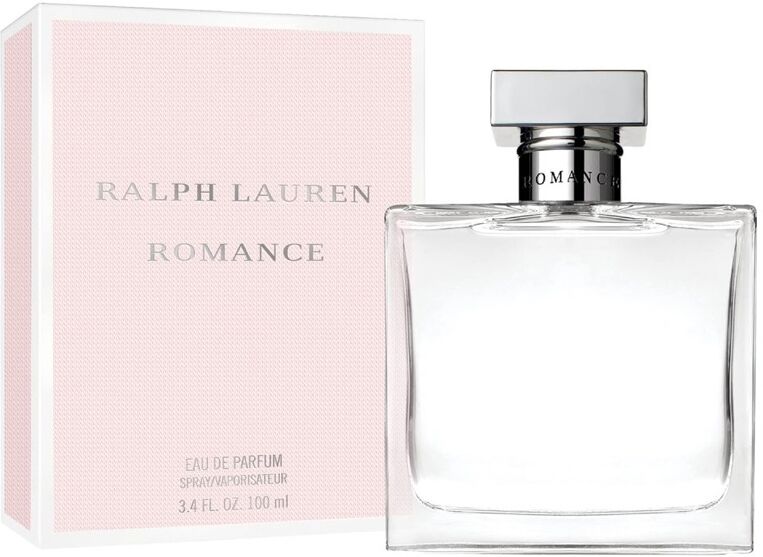
Ralph Lauren Romance Eau De Parfume 100mlDiscover the enduring allure of this classic fragrance for women, a scent defined by its timeless femininity and comforting sensuality, making it a perfect addition to any collection. The initial impression captivates with the powdery warmth of Violet Leaves and a touch of Pink Pepper in the top notes. At the heart of this beautiful fragrance lies a romantic floral bouquet, showcasing the exquisite blend of Rose Damascena, sophisticated Jasmine absolute, and bright Marigold essence. Finally, the enveloping and long-lasting base notes deliver a seductive finish, featuring Velvety soft woods, earthy Oak Moss, and sensual Musks, creating an unforgettable and classic perfume experience. Ingredients: For up to date product ingredients please see product packaging.102,01 £*Shipping: 0,00 £Secure redirect to the provider
-
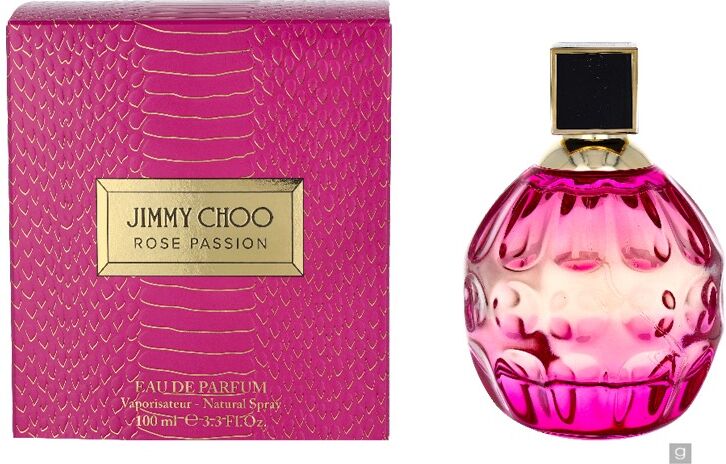
Jimmy Choo Rose Passion Eau de Parfum Spray 100mlA floral amber fragrance that combines a top note of Coconut Water and Frangipani Flower that mixes perfectly with a heart note of Orchid and Jasmine to form the core of the fragrance, before finishing on a base note of Vanilla and Sandalwood to ground the fragrance.45,50 £*Shipping: 0,00 £Secure redirect to the provider
-
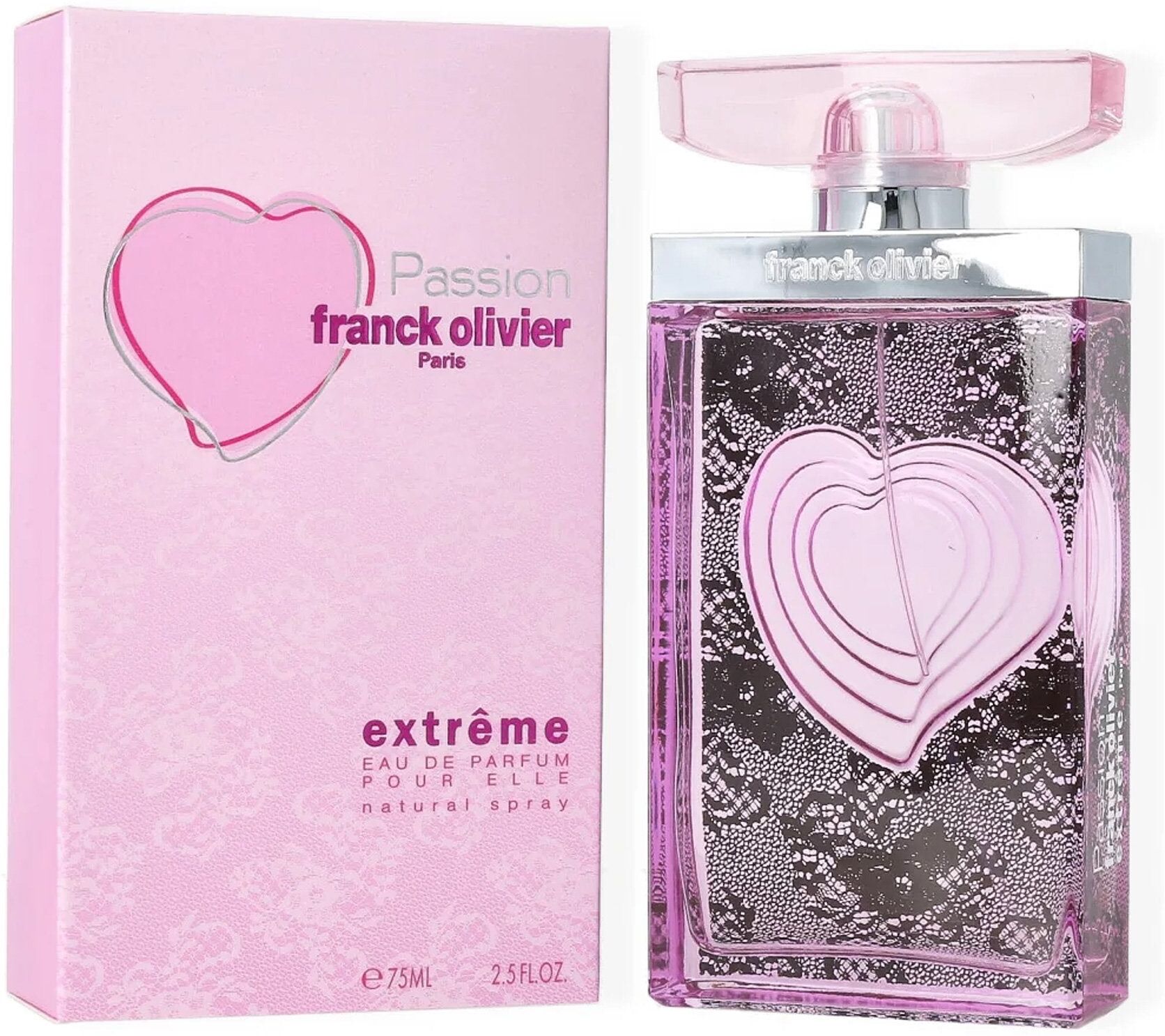
Franck Olivier Passion Extreme - 75ml Eau de Parfum SprayPassion Extreme by Franck Olivier is a Oriental Floral fragrance for women. Passion Extreme was launched in 2007. Top notes are Black Currant, Peach, Peach Blossom and Bergamot. Middle notes are Freesia, Magnolia, Lily-of-the-Valley and Turkish Rose. Base notes are Musk, Vanilla, Sandalwood, Vetiver and Peru Balsam.27,00 £*Shipping: 0,00 £Secure redirect to the provider

-
What is reactivity in elimination?
Reactivity in elimination refers to the relative ease with which a particular substrate undergoes elimination reaction. Substrates with more reactive leaving groups or more substituted carbons are generally more reactive in elimination reactions. Reactivity can also be influenced by the nature of the base or catalyst used in the elimination reaction. Understanding the reactivity of a substrate is important for predicting and controlling the outcome of elimination reactions. **
-
Why do alkenes and alkynes have a high reactivity? Why is the reactivity of alkenes greater than that of alkanes and the reactivity of alkynes the greatest?
Alkenes and alkynes have high reactivity due to the presence of pi bonds, which are more easily broken than the sigma bonds found in alkanes. The pi bonds in alkenes and alkynes are more exposed and less stable, making them more susceptible to reactions. The reactivity of alkenes is greater than that of alkanes because they have one or more pi bonds, which provide more opportunities for chemical reactions. Similarly, alkynes have the greatest reactivity because they have two pi bonds, making them even more susceptible to reactions than alkenes. **
-
What is the reactivity of the main groups?
The reactivity of the main groups in the periodic table varies depending on the specific group. Generally, the alkali metals in Group 1 are highly reactive, readily forming ionic compounds with nonmetals. The alkaline earth metals in Group 2 are also reactive, but less so than the alkali metals. The halogens in Group 17 are highly reactive nonmetals, readily forming compounds with metals. The noble gases in Group 18 are generally unreactive due to their full outer electron shells. Overall, reactivity tends to increase going down a group and decrease going across a period from left to right. **
-
What is the reactivity of alkenes and alkynes?
Alkenes and alkynes are more reactive than alkanes due to the presence of pi bonds in their structures. The pi bonds allow for the addition of atoms or groups to the carbon-carbon double or triple bond, making them susceptible to various types of reactions such as addition reactions. Alkynes are generally more reactive than alkenes due to the presence of a triple bond, which provides more opportunities for reactions to occur. Overall, the reactivity of alkenes and alkynes makes them important building blocks in organic chemistry for synthesizing a wide range of compounds. **


What is the reactivity of alkanes and alkenes?
Alkanes are relatively unreactive due to the presence of only single bonds between carbon atoms, which makes them stable and inert under most conditions. On the other hand, alkenes are more reactive than alkanes due to the presence of a double bond, which can undergo addition reactions with various reagents. This double bond provides alkenes with the ability to participate in a wide range of chemical reactions, making them more versatile in organic synthesis compared to alkanes. **
What is the reactivity series of metals in chemistry?
The reactivity series of metals is a list of metals arranged in order of their reactivity, from the most reactive to the least reactive. This series helps predict how metals will react with other substances, such as acids or water. Metals higher in the reactivity series will displace metals lower in the series from their compounds in reactions. The reactivity series is a fundamental concept in chemistry that helps understand the behavior of metals in various chemical reactions. **
Top-Angebote
Products related to Reactivity:
-
Hodder & Stoughton Mating in Captivity by Esther Perel - Paperback Relationship Psychology Book - Desire, Intimacy & Long-Term LoveMating in Captivity is Esther Perel's exploration of desire within long-term relationships. Drawing on decades as a couples therapist, Perel asks why security and passion often pull against each other, and what couples can do to keep eroticism alive once domestic routine sets in. This thought-provoking read blends clinical case studies with accessible prose, making it a staple recommendation for therapists and relationship counsellors. The book examines modern relationships, which promise lifelong companionship, deep intimacy, and lasting erotic connection, but often work against these goals. Esther Perel draws on over three decades of clinical practice to explore the complexities of desire and relationships. Published by Hodder & Stoughton, this paperback is a must-read for anyone in a committed relationship.3,99 £*Shipping: 2,99 £Secure redirect to the provider
-
Dunhill Desire Red Eau de Toilette for Men 100 mlHealth and Beauty Colonies Dunhill Desire Red Eau de Toilette for Men 100 ml It is a very distinctive woody fruity scent for men. Extremely rewarding to wear , a stunning cologne that is one of a kind. For self- assured men who don't mind being noticed for the wonderful way they smell. -Top notes: bergamot, green lemon, neroli and crisp apple. -Heart notes: rich teak wood, rose petals and patchouli. -Base notes: creamy vanilla, musk and labdanum.27,82 £*Shipping: 3,99 £Secure redirect to the provider
-
Ralph Lauren Romance Eau De Parfume 100mlDiscover the enduring allure of this classic fragrance for women, a scent defined by its timeless femininity and comforting sensuality, making it a perfect addition to any collection. The initial impression captivates with the powdery warmth of Violet Leaves and a touch of Pink Pepper in the top notes. At the heart of this beautiful fragrance lies a romantic floral bouquet, showcasing the exquisite blend of Rose Damascena, sophisticated Jasmine absolute, and bright Marigold essence. Finally, the enveloping and long-lasting base notes deliver a seductive finish, featuring Velvety soft woods, earthy Oak Moss, and sensual Musks, creating an unforgettable and classic perfume experience. Ingredients: For up to date product ingredients please see product packaging.102,01 £*Shipping: 0,00 £Secure redirect to the provider
-
What is reactivity?
Reactivity refers to how likely a substance is to undergo a chemical reaction. Highly reactive substances are more likely to react with other substances, while less reactive substances are more stable and less likely to undergo reactions. Reactivity is influenced by factors such as the arrangement of electrons in an atom or molecule, the presence of functional groups, and the chemical environment in which the substance is placed. Understanding the reactivity of a substance is important in predicting its behavior in various chemical reactions. **
-
What is reactivity in chemistry?
Reactivity in chemistry refers to the tendency of a substance to undergo chemical reactions with other substances. This can be influenced by factors such as the arrangement of electrons in the atoms, the presence of functional groups, and the stability of the resulting products. Highly reactive substances are more likely to participate in chemical reactions, while less reactive substances are more stable and less likely to undergo reactions. Understanding reactivity is important in predicting how substances will behave in various chemical processes and reactions. **
-
What is reactivity in elimination?
Reactivity in elimination refers to the relative ease with which a particular substrate undergoes elimination reaction. Substrates with more reactive leaving groups or more substituted carbons are generally more reactive in elimination reactions. Reactivity can also be influenced by the nature of the base or catalyst used in the elimination reaction. Understanding the reactivity of a substrate is important for predicting and controlling the outcome of elimination reactions. **
-
Why do alkenes and alkynes have a high reactivity? Why is the reactivity of alkenes greater than that of alkanes and the reactivity of alkynes the greatest?
Alkenes and alkynes have high reactivity due to the presence of pi bonds, which are more easily broken than the sigma bonds found in alkanes. The pi bonds in alkenes and alkynes are more exposed and less stable, making them more susceptible to reactions. The reactivity of alkenes is greater than that of alkanes because they have one or more pi bonds, which provide more opportunities for chemical reactions. Similarly, alkynes have the greatest reactivity because they have two pi bonds, making them even more susceptible to reactions than alkenes. **
Similar search terms for Reactivity
-
Jimmy Choo Rose Passion Eau de Parfum Spray 100mlA floral amber fragrance that combines a top note of Coconut Water and Frangipani Flower that mixes perfectly with a heart note of Orchid and Jasmine to form the core of the fragrance, before finishing on a base note of Vanilla and Sandalwood to ground the fragrance.45,50 £*Shipping: 0,00 £Secure redirect to the provider
-
Franck Olivier Passion Extreme - 75ml Eau de Parfum SprayPassion Extreme by Franck Olivier is a Oriental Floral fragrance for women. Passion Extreme was launched in 2007. Top notes are Black Currant, Peach, Peach Blossom and Bergamot. Middle notes are Freesia, Magnolia, Lily-of-the-Valley and Turkish Rose. Base notes are Musk, Vanilla, Sandalwood, Vetiver and Peru Balsam.27,00 £*Shipping: 0,00 £Secure redirect to the provider
-
Abercrombie & Fitch 100% Passion Eau de Toilette for Men 100mLA foundation. Awaken your inner fire with This product — a bold fragrance crafted for the modern man seeking self-expression and authenticity. What is the story of This product?. 100% Passion is more than a fragrance — it’s a call to embrace your identity. Designed for the man driven by purpose, this scent tells a story of bold beginnings and confident presence.53,05 £*Shipping: 6,94 £Secure redirect to the provider
-
Jimmy Choo Rose Passion 40ml Eau de Parfum Spray 40mlJimmy Choo Rose Passion is a floral ambery solar ode to a free-spirited woman living and loving life on her own terms. The fragrance opens with the freshness of coconut water and the rich exotic bloom of the frangipani flower. The middle notes combine the headiness of orchids with the seductive jasmine flower. The scent becomes more intense with the sandalwood and the exotic vanilla whose profoundness gives the creation a long-lasting trail. Just like a self-assured woman boldly adorned in pink, Jimmy Choo Rose Passion reflects in its jewelry-like bottle, a sense of playfulness, beautifully blended with glamour, empowerment, and seduction Size: 40ml24,90 £*Shipping: 3,99 £Secure redirect to the provider
-
What is the reactivity of the main groups?
The reactivity of the main groups in the periodic table varies depending on the specific group. Generally, the alkali metals in Group 1 are highly reactive, readily forming ionic compounds with nonmetals. The alkaline earth metals in Group 2 are also reactive, but less so than the alkali metals. The halogens in Group 17 are highly reactive nonmetals, readily forming compounds with metals. The noble gases in Group 18 are generally unreactive due to their full outer electron shells. Overall, reactivity tends to increase going down a group and decrease going across a period from left to right. **
-
What is the reactivity of alkenes and alkynes?
Alkenes and alkynes are more reactive than alkanes due to the presence of pi bonds in their structures. The pi bonds allow for the addition of atoms or groups to the carbon-carbon double or triple bond, making them susceptible to various types of reactions such as addition reactions. Alkynes are generally more reactive than alkenes due to the presence of a triple bond, which provides more opportunities for reactions to occur. Overall, the reactivity of alkenes and alkynes makes them important building blocks in organic chemistry for synthesizing a wide range of compounds. **
-
What is the reactivity of alkanes and alkenes?
Alkanes are relatively unreactive due to the presence of only single bonds between carbon atoms, which makes them stable and inert under most conditions. On the other hand, alkenes are more reactive than alkanes due to the presence of a double bond, which can undergo addition reactions with various reagents. This double bond provides alkenes with the ability to participate in a wide range of chemical reactions, making them more versatile in organic synthesis compared to alkanes. **
-
What is the reactivity series of metals in chemistry?
The reactivity series of metals is a list of metals arranged in order of their reactivity, from the most reactive to the least reactive. This series helps predict how metals will react with other substances, such as acids or water. Metals higher in the reactivity series will displace metals lower in the series from their compounds in reactions. The reactivity series is a fundamental concept in chemistry that helps understand the behavior of metals in various chemical reactions. **
* All prices are inclusive of VAT and, if applicable, plus shipping costs. The offer information is based on the details provided by the respective shop and is updated through automated processes. Real-time updates do not occur, so deviations can occur in individual cases. ** Note: Parts of this content were created by AI.